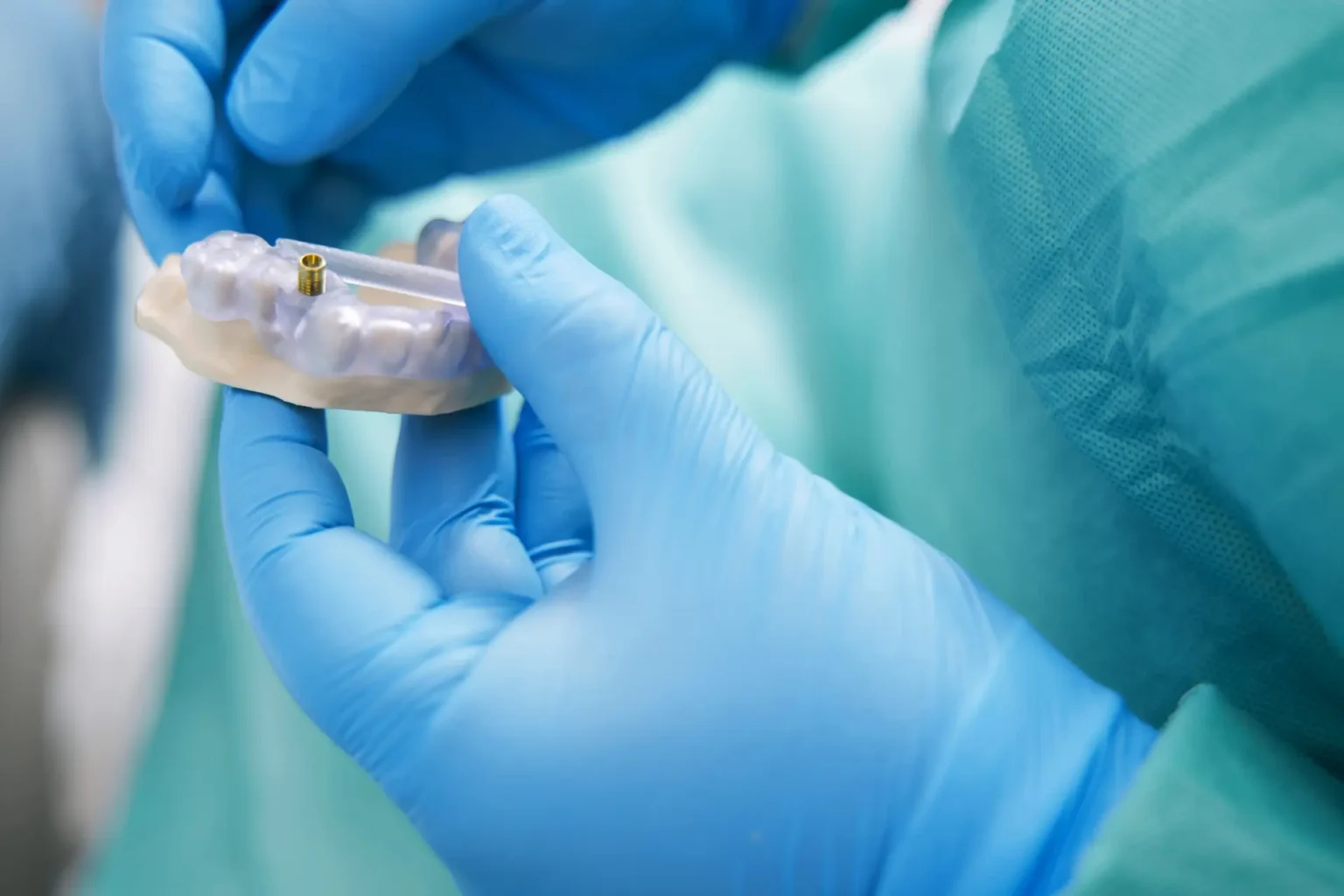
Yes, dental bridges and implants can be combined in one treatment. This approach is ideal for people who have several missing teeth in the same area but still have enough healthy bone to support implants. It helps restore chewing, balance, and appearance all at once.
Instead of placing an implant for every missing tooth, dental specialists can use a few implants to support a bridge that replaces several teeth together. The result feels natural, looks seamless, and provides long-term stability without affecting nearby healthy teeth.
Let’s examine how dental bridges and implants work together to restore your smile.
Key Takeaways
- Dental bridges and implants can be combined to replace several missing teeth efficiently.
- Implant-supported bridges reduce the need for multiple implants and protect surrounding teeth.
- The treatment restores strength, comfort, and a natural appearance.
- Healing is smooth, and results can last for many years with proper care.
- Hanna Dental Implant Center offers advanced imaging and personalized planning for precise, lasting results.
Need to replace several missing teeth at once?
-
Get $350 free consultation & CT scan
The Difference Between Dental Bridges and Implants
Dental bridges and implants both replace missing teeth, but they work in different ways.
Dental implants act as new tooth roots. They’re placed directly into the jawbone, where they fuse naturally with the bone to create a stable foundation for a crown, bridge, or denture. Implants help prevent bone loss and maintain a strong and balanced bite.
Dental bridges fill the space left by one or more missing teeth. A bridge uses nearby teeth or implants as anchors, and the replacement teeth sit between them. Traditional bridges rely on reshaping healthy teeth for support, while implant-supported bridges are secured by implants instead.
Both treatments restore your ability to chew, speak, and smile comfortably. When combined, they create a stable, natural-looking solution that can last for many years.
When a Combined Treatment Makes Sense
A combined treatment using both dental bridges and implants is often the best option for individuals missing several teeth in a single section of the mouth. It’s especially useful when there isn’t enough healthy tooth structure to support a traditional bridge or when placing an implant for every missing tooth isn’t practical.
This approach enables a few implants to serve as secure anchors for a bridge, thereby replacing multiple teeth simultaneously. It restores full chewing strength and maintains the jawbone’s health by preventing bone loss in the empty spaces.
Patients also choose this option because it saves time and cost compared to replacing each tooth individually. It’s a balanced approach to rebuilding your smile while preserving the remaining natural teeth.
How Implant-Supported Bridges Work
An implant-supported bridge connects directly to dental implants, rather than relying on natural teeth for support. The implants function as strong anchors in the jawbone, securely holding the bridge in place.
The process begins with a scan to check bone strength and plan the exact placement of each implant. Once the implants are positioned, they need time to heal and bond with the bone. After healing, a custom bridge is attached to the implants to fill the gap with natural-looking replacement teeth.
This method allows several missing teeth to be replaced with just two or more implants, depending on the size of the gap. The result is a stable, long-lasting restoration that feels and functions like your own teeth.
Who Is a Good Candidate for This Combination
Not everyone needs both dental bridges and implants, but this combination can be a great option for people who:
- Have several missing teeth in a row
- Have healthy gums and enough bone to support implants
- Prefer a long-term solution that feels stable and natural.
- Want to avoid reshaping healthy teeth for a traditional bridge
- Are looking for a cost-effective alternative to replacing each tooth with an implant.
Patients who already wear partial dentures and want something more permanent often find this treatment ideal. A brief consultation and imaging test can confirm whether your bones and gums are strong enough to support implants and bridges.
Restore Your Smile with Dental Implants and Bridges
Combining dental bridges and implants is a proven method for replacing multiple missing teeth simultaneously. It creates a stable, natural-looking result that helps you eat, speak, and smile comfortably again. The treatment also protects your jawbone and surrounding teeth, keeping your oral health strong for the long term.
At Hanna Dental Implant Center, advanced imaging and custom planning make every restoration precise and comfortable. You’ll receive a treatment that looks natural and feels secure from the very first day.
If you’re ready to rebuild your smile with lasting strength and beauty, schedule your consultation today.
Frequently Asked Questions
Can you get dental implants if you are allergic to metal?
Yes. If you have a metal allergy, you can choose zirconia implants instead of titanium. Zirconia is a ceramic material that’s completely metal-free, durable, and safe for sensitive patients. Your dentist can recommend the best option after a quick allergy review or test.
Why don’t dentists recommend bridges?
Dentists still recommend bridges in many cases, but traditional bridges can sometimes require reshaping healthy teeth for support. Implant-supported bridges avoid that problem because they anchor directly to the jawbone, preserving your natural teeth while offering better strength and comfort.
Which is more painful, a bridge or an implant?
Both procedures are done with local anesthesia, so patients usually feel little to no pain. After treatment, mild soreness is normal for a few days, but it can be easily managed with prescribed medication or over-the-counter pain relief. Most patients describe implant recovery as easier than expected.
How long do implant-supported bridges last?
With proper care, implant-supported bridges can last 15 years or longer. Regular checkups, daily brushing, and flossing help keep both the implants and the surrounding gums healthy for long-term success.