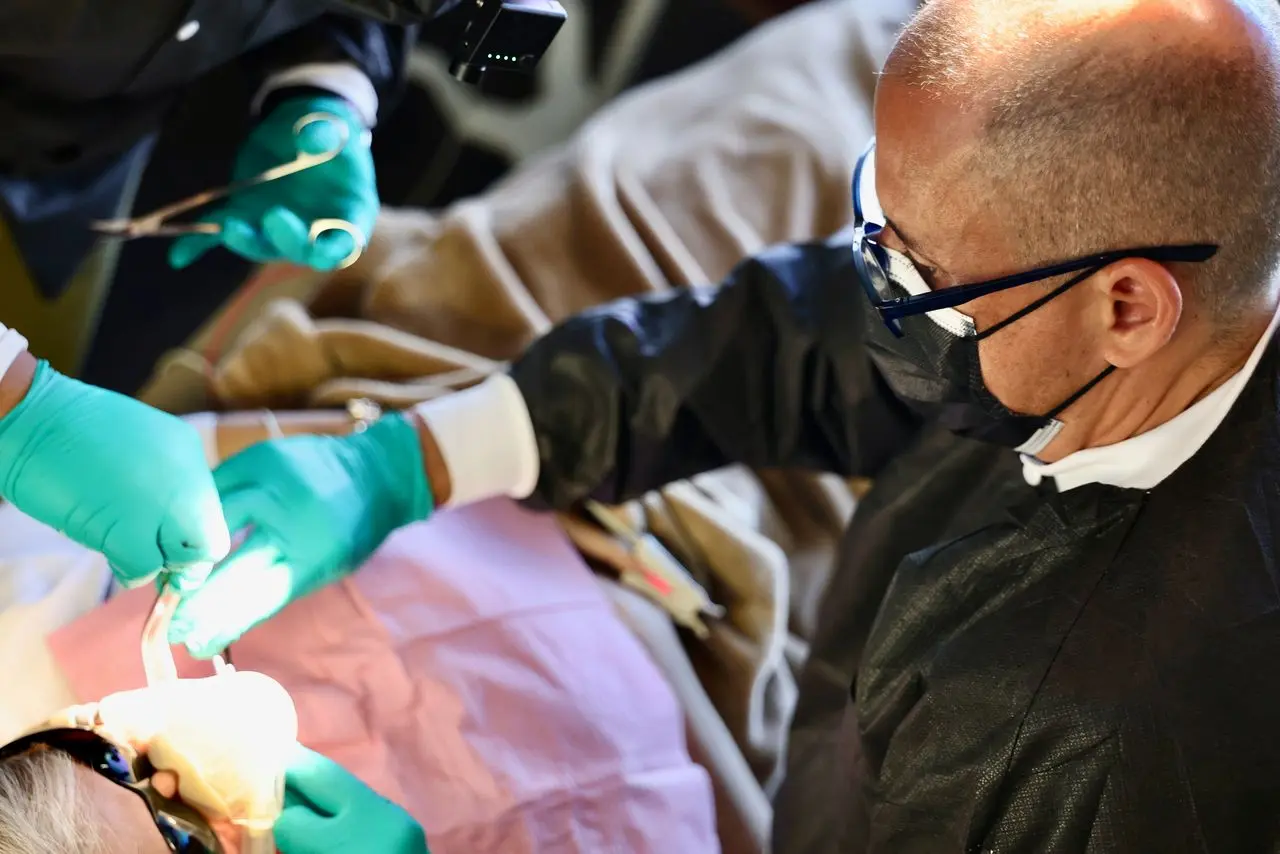
Dental implants have a success rate of over 95%, but like natural teeth, they can still become infected if bacteria accumulate around the gums. This condition is called peri-implantitis, and it affects the tissue surrounding the implant, leading to inflammation or, in rare cases, bone loss.
The good news is that infections are preventable and treatable when caught early. With proper brushing, regular checkups, and professional cleanings, most patients enjoy healthy, long-lasting implants for life.
Let’s explore how implant infections happen, what signs to look out for, and what you can do to protect your smile.
Key Takeaways
- Dental implant infections are rare and preventable with good oral care.
- Early signs include swelling, redness, bleeding, or discomfort around the implant.
- Most infections can be treated easily when caught early.
- Regular checkups and cleanings help keep implants stable and long-lasting.
- Hanna Dental Implant Center provides expert care and modern technology to treat and prevent implant infections effectively.
Worried your dental implant might be infected?
-
Get $350 free consultation & CT scan
Can Dental Implants Really Get Infected?
Yes, dental implants can get infected, but it’s uncommon. When an infection occurs, it typically affects the gum tissue or bone supporting the implant.
An implant infection typically develops when bacteria accumulate around the base of the implant, causing the gums to swell, bleed, or feel tender. If left untreated, it can affect the bone and compromise the implant’s stability.
Fortunately, with modern placement techniques, good oral hygiene, and consistent follow-up care, most patients never experience this issue.
Signs Your Implant Might Be Infected
Here are some symptoms to watch for:
Red or Swollen Gums: Mild swelling or redness around the implant site can be an early sign of inflammation. Healthy gums should look pink and firm, not puffy or irritated.
Bleeding When Brushing or Flossing: Bleeding that continues after the healing stage may point to plaque buildup or gum infection.
Pain or Tenderness: Discomfort when chewing or touching the area can signal that bacteria are irritating the surrounding tissues.
Bad Taste or Odor: A lingering bad taste or smell could mean bacteria or pus are present around the implant.
Loose Implant: In advanced cases, infection can affect the bone, causing the implant to feel unstable.
If you notice any of these symptoms, schedule an exam as soon as possible. Early care can stop the infection and protect your implant from further damage.
What Causes Implant Infections
Here are factors that can increase the risk:
Poor Oral Hygiene
Not cleaning around the implant as carefully as natural teeth can allow bacteria to grow. Plaque buildup is the most common cause of peri-implantitis.
Smoking
Smoking reduces blood flow to the gums, slowing down the healing process and making it easier for bacteria to cause infections.
Gum Disease or Untreated Dental Problems
If gum disease or tooth decay existed before implant placement and wasn’t fully treated, bacteria can spread and irritate the new implant area.
Uncontrolled Health Conditions
Diabetes and immune-related conditions can make it more difficult for the body to fight off bacteria, thereby increasing the risk of infection.
Poorly Fitted Restorations or Missed Checkups
An uneven crown or skipped follow-up appointments can allow bacteria to collect where cleaning is difficult.
Most of these issues are preventable with regular care and communication with your dental implant specialist. Daily cleaning and routine visits make a significant difference in maintaining the long-term health of implants.
Can Implants Get Infected Years Later?
Yes, dental implants can become infected even years after placement, though it’s rare. This usually happens when bacteria slowly build up around the implant due to poor cleaning habits or untreated gum inflammation. Over time, the tissue around the implant can become irritated, leading to a delayed infection known as late-onset peri-implantitis.
The good news is that long-term infections are highly preventable. Regular brushing and professional cleanings help keep bacteria under control. Routine dental visits also allow your dentist to catch early changes before they become serious.
Even if your implants were placed years ago, consistent care and maintenance can keep them strong and problem-free for life.
How to Prevent Dental Implant Infections
Maintaining the health of your dental implants is largely about consistency. Here’s how you can prevent dental infections:
- Brush and use a waterpik floss every day
- Keep up with dental visits
- Avoid smoking
- Maintain good overall health
- Follow post-surgery instructions carefully
What Do I Do If I Suspect an Infection
If you think your dental implant might be infected, the best thing to do is contact your dental specialist right away. Early action can make all the difference. Even a small amount of swelling, bleeding, or tenderness around the implant can be a sign that bacteria are starting to irritate the gums. Getting it checked early can prevent the problem from spreading or damaging the surrounding bone.
In most cases, the specialist will examine the area, take an X-ray, and determine whether the issue is mild inflammation or a true infection. Mild cases are often treated with professional cleaning, antibiotic rinses, or medications that target bacteria. More advanced infections may require a deeper cleaning or minor surgical care to remove the affected tissue.
The important thing is not to wait or try to treat it on your own. With quick professional care, most implant infections heal completely, and the implant remains stable. The sooner you act, the easier it is to treat.
How We Treat Infected Implants
Treating an infected dental implant depends on how early the infection is detected and diagnosed. At Hanna Dental Implant Center, the goal is always to stop the infection, preserve the implant, and restore gum health as quickly as possible.
For mild infections, a deep professional cleaning is usually enough. This involves carefully removing plaque and bacteria around the implant without harming the surrounding tissue. Antibacterial rinses or oral antibiotics may also be prescribed to control infection and promote healing.
If the infection is more advanced, we may use laser or ultrasonic tools to remove damaged tissue and thoroughly disinfect the area. In cases where bone or gum loss has occurred, regenerative treatments like bone grafting can rebuild support around the implant and help secure it again.
Implant removal is only necessary when the infection has caused severe bone loss or the implant has become too loose to stabilize. Even then, replacement is possible once the area heals fully.
Protect Your Smile with Expert Implant Care at Hanna Dental Implant Center
An implant infection can sound worrying, but it’s almost always treatable when caught early. With good oral hygiene, regular checkups, and professional cleanings, you can keep your implants healthy for life.
At Hanna Dental Implant Center, our team uses advanced technology to detect and treat implant infections gently and effectively. Whether you’re noticing mild irritation or just want to make sure your implants are in great shape, we’re here to help you keep your smile strong and pain-free.
Don’t wait until discomfort becomes a problem. Schedule a visit today and experience the difference that precise, compassionate implant care can make.
Frequently Asked Questions
How do I know if something is wrong with my dental implant?
If your implant feels sore, swollen, or loose, or if you notice bleeding or a bad taste around it, something may be wrong. These symptoms can indicate early infection or irritation. Schedule a dental visit as soon as possible so your dentist can examine and treat the area before it worsens.
Can dental implant infections go away on their own?
No. Once an infection starts, it won’t clear up without professional treatment. Antibiotics, cleanings, or minor surgical care may be needed to remove bacteria and protect the implant. The earlier you get treated, the easier it is to save the implant and surrounding tissue.
How common are dental implant infections?
Implant infections are rare. Studies show that fewer than 5% of dental implant cases experience complications. With proper hygiene, regular cleanings, and follow-up visits, the success rate for implants stays above 95%.
Can I brush my dental implants like normal teeth?
Yes. Brush and floss your implants just as you would your natural teeth, using a soft-bristled brush and non-abrasive toothpaste. You can also use an interdental brush or water flosser to reach areas around the implant and prevent plaque buildup.